A recent incident involving a famous singer has left fans shocked and served as a powerful reminder to industry professionals about the vulnerability of sensitive data—even at the highest levels of production. Known for maintaining strict secrecy around upcoming releases, the artist now faces a serious risk of leaks after unreleased music was stolen.

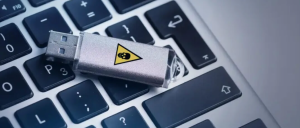
The files, along with other important materials, were stored on multiple hard drives that were taken from a rented vehicle used by the singer’s choreographer and one of her dancers. According to police reports, thieves broke into the parked SUV, stealing several thumb drives, laptops, and tour-related materials. Some of the stolen devices reportedly contained unreleased, watermarked tracks.

All it took was a short stop at a local market for the situation to escalate. Now, those unreleased songs—and potentially entire album or tour plans—are at risk of exposure. While theft itself can be difficult to prevent, the real concern is data access.

This situation highlights an important reality: no one is completely immune to risk. Even with strict precautions, physical theft can still happen—but data loss doesn’t have to. If the files had been stored on secure, hardware-encrypted devices such as SecureUSB or SecureDrive, the data would have remained inaccessible, even if the drives were stolen.

What Happened to the Singer’s Unreleased Music?

The incident occurred while the singer and her touring team were in Atlanta preparing for a series of performances.

On the evening of July 8, 2025, someone broke into a rented Jeep Wagoneer used by the choreographer and a dancer. The break-in happened between 8:09 p.m. and 9:10 p.m. in a parking garage near Krog Street Market, a popular area close to Mercedes-Benz Stadium.

When the pair returned, they discovered the rear window smashed and two suitcases missing. Among the stolen items were five thumb drives reportedly containing unreleased, watermarked music intended for future release. Also taken were two MacBook laptops, AirPods Max, luxury accessories, clothing, performance outfits, and show materials such as setlists and staging plans. The victims confirmed to authorities that the stolen items included sensitive data related to the singer.

Law enforcement quickly began investigating. While only limited fingerprints were recovered, Apple’s Find My feature helped track the stolen MacBooks and AirPods, leading authorities to a 2025 Hyundai Elantra.

It remains unclear whether the stolen music has been accessed or leaked. However, the situation underscores a broader concern around data security.

The Wider Impact of Data Theft and Loss

When people think of data loss, they often imagine accidental deletion or corrupted files. In reality, data theft can affect anyone—from individuals to global organizations. In this case, the victim happens to be one of the most recognizable figures in the world.

Even if those five stolen drives weren’t the only copies of the music, the risk remains significant. A leak could disrupt carefully planned releases, marketing strategies, and tour experiences worth millions.

You don’t have to be a celebrity to face similar consequences. Businesses of all sizes—including small enterprises—are vulnerable to data loss, and the financial impact can be substantial.

According to IBM’s 2024 Cost of a Data Breach report, the average global cost of a breach reached $4.9 million, a 10% increase from the previous year. In the United States, the average cost climbed to $9.36 million.

The effects of such incidents often linger long after the initial breach. For high-profile cases like this, it may lead to a complete reassessment of data security strategies.

After all, while you can’t always prevent theft, you can prevent unauthorized access to your data.

Theft Is Inevitable—But Data Exposure Doesn’t Have to Be

A survey by Harris Interactive found that 37% of IT decision-makers experienced exposure of sensitive data due to lost or stolen removable devices. This could often be avoided with proper encryption.

Encryption converts readable data into an unreadable format using cryptographic algorithms. Only someone with the correct key or password can access it.

Modern self-encrypting drives (SEDs) use AES 256-bit encryption, which is considered an industry standard. Hardware-encrypted drives take this a step further by handling encryption directly on the device itself, rather than relying on software.

Because the encryption process is built into the hardware, it’s far more resistant to tampering or bypass attempts. Many of these drives are also physically protected with epoxy coatings, making reverse engineering extremely difficult. Additionally, some devices automatically erase data after multiple failed access attempts.

In the worst-case scenario, the data becomes permanently inaccessible—but crucially, it never falls into the wrong hands.

Best Practices to Protect Your Data

While no system is completely immune to theft, there are steps you can take to minimize risk:

  • Back up important data in multiple locations, including secure cloud platforms
  • Avoid leaving devices unattended in public spaces
  • Enable full-disk encryption on all storage devices
  • Use strong, unique passwords and avoid reuse
  • Keep all systems updated with the latest security patches
  • Enable multi-factor authentication where applicable
  • Diversify your storage methods across physical and digital solutions
  • Regularly test backups to ensure they can be restored

Even with these measures, hardware-encrypted storage provides an additional layer of protection that standard drives cannot match.

SecureDrive® and SecureUSB®: Encryption You Can Trust

SecureDrive® and SecureUSB® are designed to eliminate uncertainty when it comes to protecting sensitive data. These hardware-encrypted storage solutions ensure that only authorized users can access stored files.

Each device features FIPS 140-2 Level 3-certified XTS-AES 256-bit encryption, offering enterprise-grade protection.

They are available in a wide range of capacities—from compact USB drives (8 GB to 256 GB) to larger portable drives (250 GB up to 20 TB). Options include Bluetooth-enabled models, keypad-secured versions, and hybrid designs.

Additional features include:

  • Auto-lock functionality after inactivity
  • Mobile app management for Bluetooth models
  • Durable, tamper-resistant construction
  • IP68-rated protection against water and dust
  • Automatic data wipe after multiple failed access attempts

These features ensure that even if a device is lost or stolen, the data remains completely secure.

About DT Asia

DT Asia began in 2007 with a clear mission to build the market entry for various pioneering IT security solutions from the US, Europe and Israel.

Today, DT Asia is a regional, value-added distributor of cybersecurity solutions providing cutting-edge technologies to key government organisations and top private sector clients including global banks and Fortune 500 companies. We have offices and partners around the Asia Pacific to better understand the markets and deliver localised solutions.

How we help

If you need to know more about A Famous Singer’s Lost Music: How To Protect Data From Theft, you’re in the right place, we’re here to help! DTA is Secure Data’s distributor, especially in Singapore and Asia, our technicians have deep experience on the product and relevant technologies you can always trust, we provide this product’s turnkey solutions, including consultation, deployment, and maintenance service.

Click here and here and here to know more: https://dtasiagroup.com/secure-data/